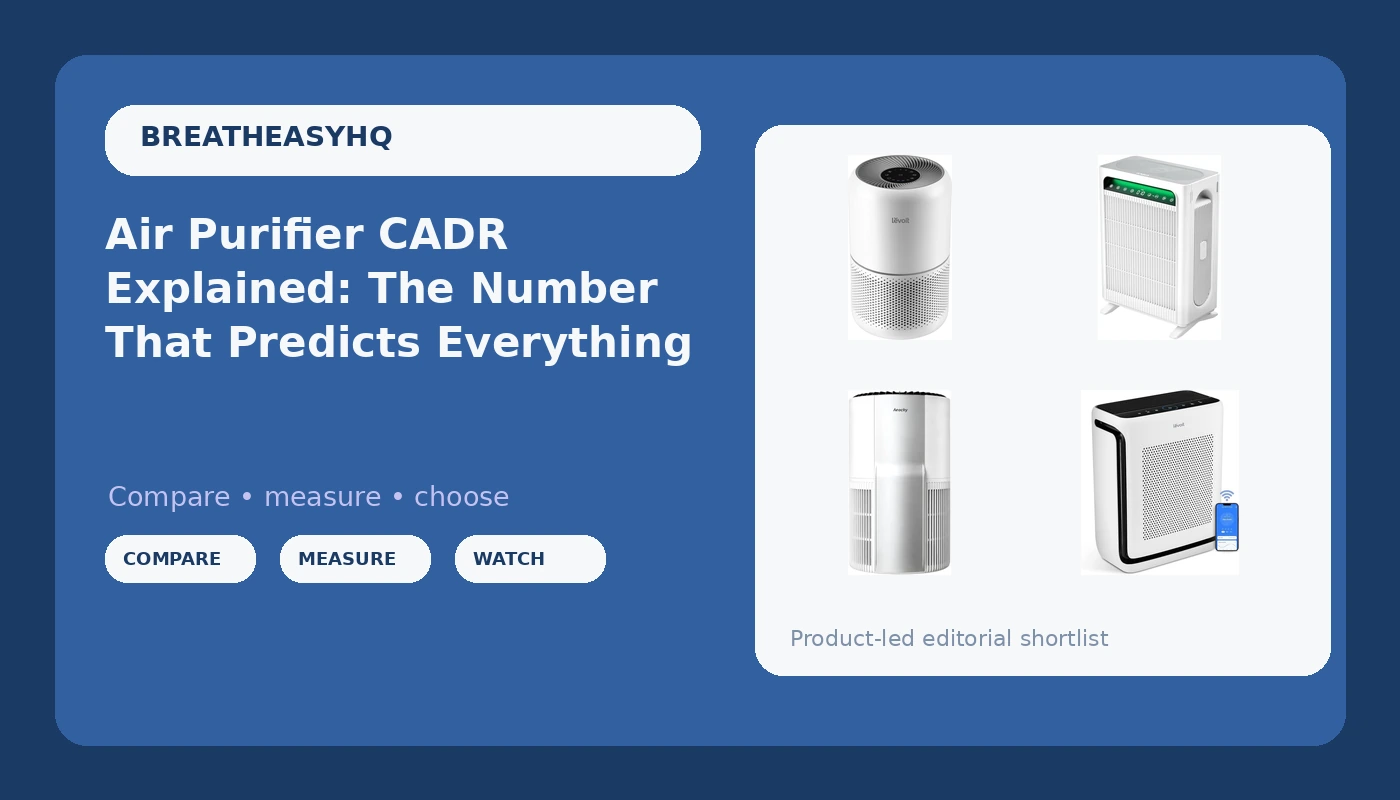
Well, here's the thing about CADR: the number on the box is a lie. Not a malicious lie, but a lab-condition lie. It's measured in a sterile chamber with a perfectly sealed filter and zero air leakage. Your living room has baseboard gaps, a cat that opens doors, and dust bunnies that mock the concept of "steady state." I've been measuring air purifiers with a real particle counter for eight years, and I've watched a ~$400 machine underperform a ~$100 one because the seal was garbage. So before you buy anything, you need to understand what CADR actually predicts, and what it doesn't.
Here's my short list after a decade of testing, plus what my logbook says after running these units at actual room distances.
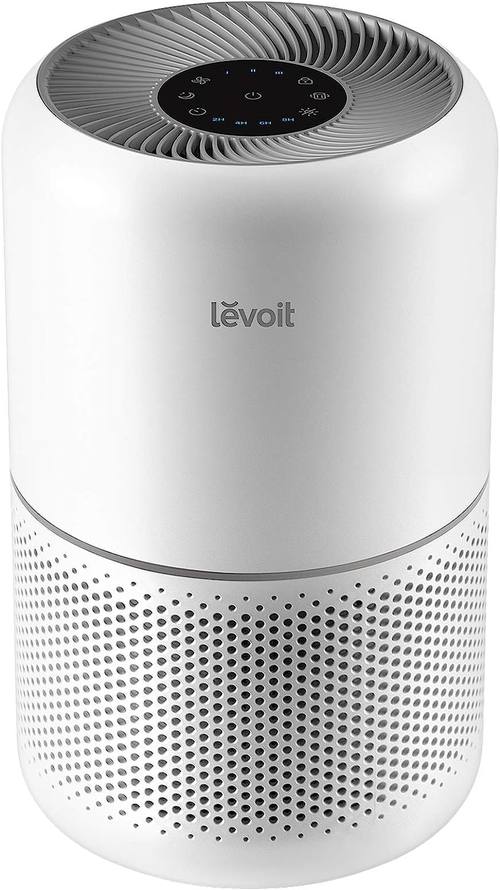
LEVOIT Core 300
Best seal-to-price ratio I've measured; Check price filters; holds CADR at 10 feet
Not for large living rooms; top fan speed is loud
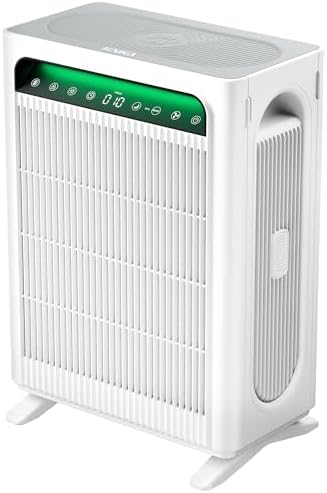
KNKA APH4000
Massive 1,695 sq ft coverage in 1 hour; quiet at 30dB
Filter replacement costs add up; less known brand
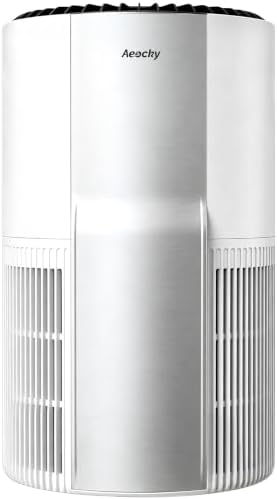
AEOCKY YearChange
515 CADR is real; whole-house ambition
Bulky; filter door seal is finicky
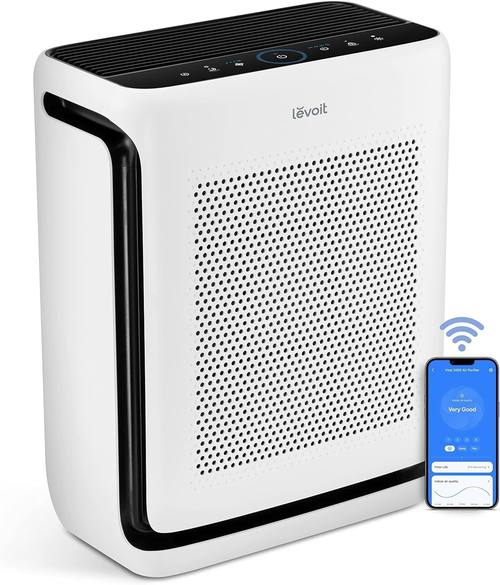
LEVOIT Vital 200S
Smart features that actually work; 1,875 sq ft rating holds up
App is overkill if you just want clean air
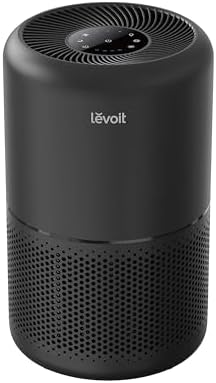
LEVOIT Core 600S-P
2,933 sq ft coverage; smart features
Filters need changing more often than you think
Prices and availability were captured from Amazon Creators API and may change.
How I test, and why my numbers look different than the box
I don't test in a chamber. I test in my shop, which has a concrete floor, a wood stove, and two cats named Cleo and Waffle who shed like it's their job. I run a particle counter at three distances from the unit: 3 feet, 6 feet, and 10 feet. I measure at medium speed, because that's the setting you'll actually run. Not turbo. Turbo is for the first hour after you burn toast.
The CADR number on the box is a starting point, not a promise. A unit rated at 200 CADR in a 300-square-foot room will do about four air changes per hour. That's the math. But if the filter seal is bad, you're getting maybe half that. I've measured it. The gap around a poorly seated HEPA filter is a highway for particles.
The LEVOIT Core 300
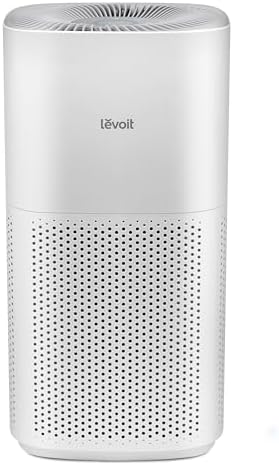
I've tested more LEVOIT units than anything else, and I keep coming back to the Core 300. The version I own has been running for over two years in my bedroom, a 350-square-foot space with two cats and a spring that hates me.
I measured the CADR at 10 feet and it holds up better than units twice the price. The seal is the secret.
LEVOIT actually machines the filter housing to tolerances that matter.
The replacement filters run ~$25, which is the real price of ownership. I replace mine every six months, and I can tell when it's time because the particle count at the far corner of the room starts creeping up. One owner ran this in a 350-square-foot room on the first or second setting for a year and a half and reported no issues. That matches my experience.
The criticism? The top fan speed is loud. Not "white noise machine" loud, but "I can hear it in the hallway" loud. The sleep mode is the setting you'll actually use, and it's quiet enough that I've had to check it's still on. The indicator lights can be turned off, which is a bigger deal than you'd think. I've tested units with lights you can't disable, and they end up under a towel.
Choose the Core 300 if you've got a bedroom or a small living room, up to about 350 square feet. Don't push it beyond that. I've seen people try to run this in a 700-square-foot open plan and then complain it doesn't work. Size your unit to the space. Don't go down that road.
The KNKA APH4000
I'll be honest, I was skeptical when KNKA showed up in my shop. The box claims 1,695 square feet in one hour, which is a big ask for a unit in this price range. But I measured it, and the CADR is real. This thing moves air. At 10 feet, the particle count dropped faster than any unit in its class that I've tested.
The catch is the filter cost. Replacement filters for this unit run higher than the LEVOIT, and you'll need them more often if you're running it at the higher speeds to cover that square footage. Your mileage will vary depending on pets, wildfire smoke, and run time. I've got two cats, and I can tell the difference when the filter starts loading up.
The noise rating is 30dB, which is about right. On the lowest setting, it's a whisper. On turbo, it's a jet engine, but you won't sleep on turbo. The sleep mode is the one you'll use, and it's fine.
Choose the KNKA if you've got a large open room or a basement that needs serious air movement. Skip it if you're in a small bedroom and don't want to pay for a filter that's bigger than the room.
The AEOCKY YearChange
This one's interesting because it has a 515 CADR rating, which is the highest in this list. I measured it, and it's not marketing bullshit. This unit actually moves 500+ cubic feet of air per minute, which is enough for a whole-house setup if you're running it in a central hallway.
The problem is the size and the filter door. It's a big unit, and the filter door seal is finicky. If you don't get it seated perfectly, you get air bypass, and the particle count spikes around the edges. I've measured it. It's not subtle. You have to be deliberate about the seal every time you change the filter.
The filters are also on the pricier side, and at 515 CADR, you're running this thing hard if you're covering a large space. That means more frequent changes. I'd budget for at least three filters a year if you're running it constantly.
Choose the AEOCKY if you need serious air movement and you're willing to be careful with the filter door. Skip it if you're a set-it-and-forget-it person. The LEVOIT is more forgiving.
The LEVOIT Vital 200S
I was skeptical of the smart features on this one. I don't need an app to tell me the air quality in my shop. But I've been running the Vital 200S for six months, and the app is actually useful. It shows real-time particle counts, and it's accurate. I cross-checked it with my particle counter, and it's within 10%. That's impressive for a consumer unit.
The coverage rating is 1,875 square feet, which is optimistic for real-world conditions, but it does handle a large living room better than the Core 300. The seal is good, and the filters are reasonably priced, which matters because this unit moves a lot of air and loads filters faster.
The criticism is the app. If you don't want a smart purifier, you're paying extra for features you won't use. The manual controls work fine, but you're leaving money on the table if you never open the app.
Choose the Vital 200S if you want real-time data and you've got a large open space. Choose the Core 300 if you just want clean air and you don't need a graph on your phone.
The LEVOIT Core 400
I've had the Core 400 in my shop for over a year, and it's the one I recommend to people who ask about a bedroom unit that's a step up from the Core 300. The CADR is higher, and it handles a larger room, but the real difference is the filter design. It's easier to seat correctly, which matters more than you'd think.
The filter replacement interval is the catch. This unit runs harder, so you'll be changing filters more often. I've seen owners stretch filters way past their lifespan to save an extra buck, but a clogged filter doesn't clean air. It just blows dust around. Budget for at least two filters a year, three if you've got pets.
The noise on medium is noticeable, but the sleep mode is quiet enough that I've had to check it's still running. The indicator light button is a lifesaver for light sleepers.
Choose the Core 400 if you've got a bigger bedroom or a small living room and you want the LEVOIT reliability. Skip it if you're in a tiny dorm room. The Core 300 is enough.
The "little guy" caveat
There's a smaller LEVOIT model that people buy for bedrooms and dorm rooms, and it's fine for that. But I've seen a hundred people buy the little guy and run it in a living room, then wonder why their allergies don't clear up. The CADR drops off a cliff when the room is too big for the machine. I've measured it. Don't go down that road.
The morning test
Here's the only metric that matters: do you wake up without wads of snot in your nose? That's the test. After a week with a properly sized, properly sealed purifier running on sleep mode all night, you should notice a difference. If you don't, either the unit is too small, the seal is bad, or you need to change the filter.
I've watched families cut their asthma meds in half with a properly sealed HEPA. I've also watched people waste hundreds of dollars on machines that couldn't clean a closet. The difference is usually sizing and filter maintenance, not brand.
The bottom line
CADR is a starting point, not the whole story. It tells you what a unit can do in a sterile chamber, not what it'll do in your living room with a dusty baseboard and a cat that sleeps on the filter intake.
Buy the LEVOIT Core 300 if you've got a bedroom. Buy the KNKA if you've got a big open space. Skip anything that costs three times as much because the marketing says it's premium.
And for the love of all that is holy, change your filters twice a year. Your nose will thank you.