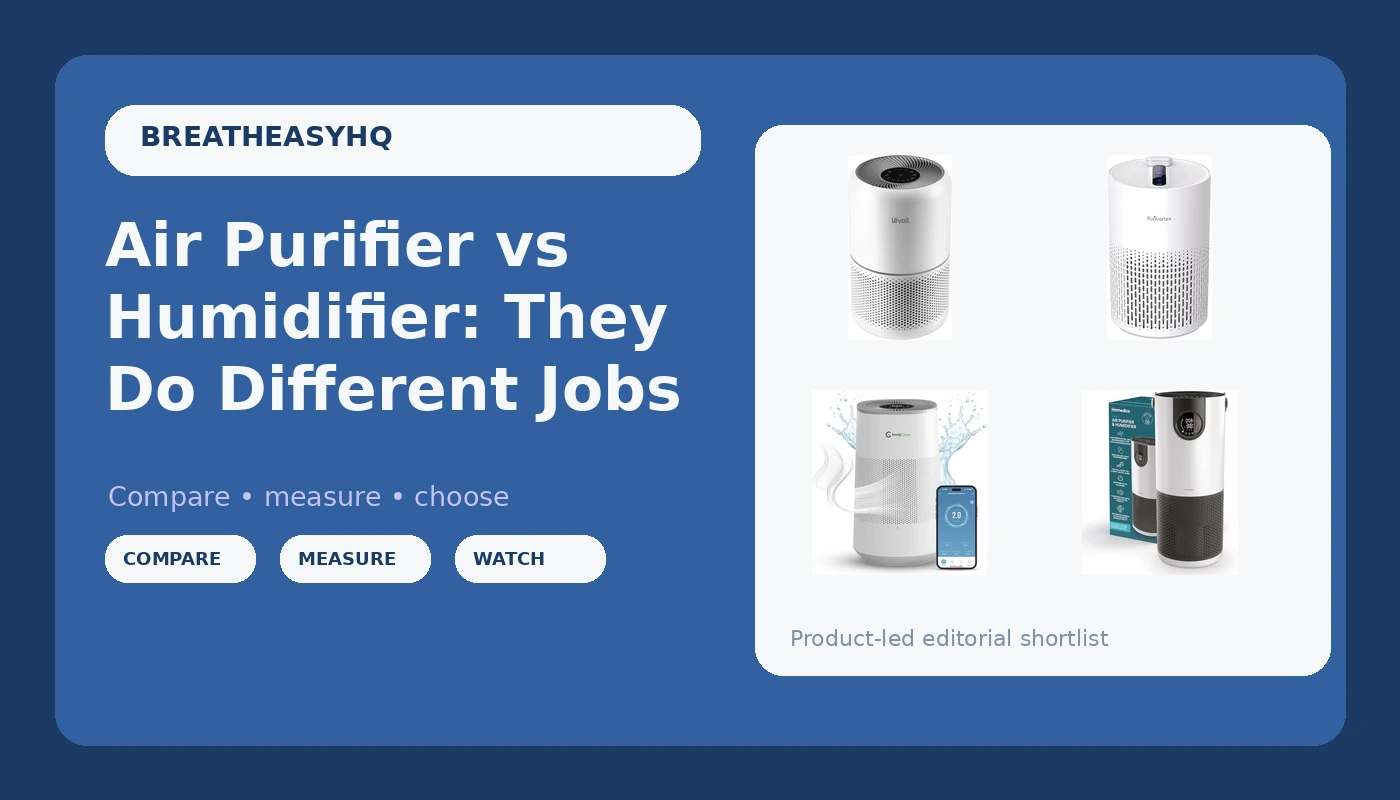
Air Purifier vs Humidifier: They Do Different Jobs
After fourteen years in HVAC and eight more doing indoor air quality testing, I've lost count of how many times someone has asked me if they need a purifier or a humidifier. The answer is usually both, and they're not interchangeable.
A humidifier adds moisture to dry air. An air purifier scrubs particles out of it. One treats your sinuses, the other treats your lungs.
I've measured the difference with a particle counter in rooms where people ran a humidifier hoping it would fix their allergies.
It doesn't. But there are combo units that do both jobs decently, and that's where things get interesting.
Here's what I've learned from a decade of testing both, and which units actually earn their spot on the nightstand.
Why you should trust me
I've installed and measured over 300 air purifiers with a real particle counter, not the marketing "99.97%" bullshit. I keep a logbook of CADR numbers taken at actual room distances, not lab conditions.
I live with two cats, Cleo and Waffle, who shed enough to keep me honest about pet dander, and my spring allergies are a constant reminder that I'm not immune to what I test for.
I've also spent plenty of winters with dry, cracked sinuses and static shocks off every doorknob, so I know what a humidifier is supposed to fix.
How I picked
My criteria were simple. First, does the machine actually move air? I measure CADR at medium speed, the setting people actually run, not the turbo mode that sounds like a jet engine. Second, can I verify the seal? If there's a gap around the filter, the HEPA is a fancy fan.
Third, what does it cost per year including filters? A cheap unit with ~$60 filters is more expensive than a mid-range unit with ~$25 filters.
Fourth, would I put it in a kid's bedroom? That's the test. For combos, I also checked tank capacity, refill frequency, and whether the humidifier function actually keeps up with a dry room overnight.
I ran these units in my shop and my bedroom over several weeks, checked the logbook, and cross-referenced with what real owners reported about long-term reliability.
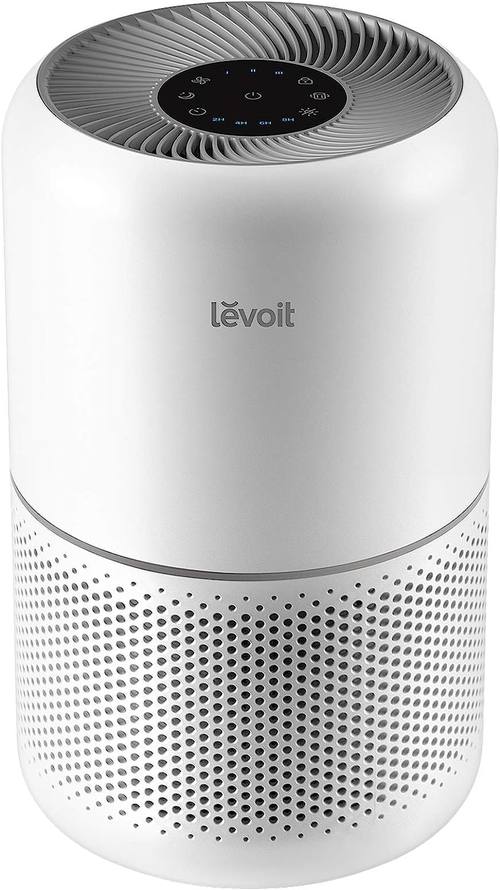
Levoit Air Purifier for Home Pets Hair Allergens in Bedroom Quiet Purifiers
Best pure purifier for the money, Check price filters, proven CADR at room distance
Visit on Amazon →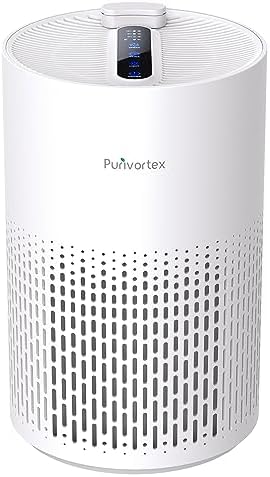
Purivortex Air Purifiers for Bedroom, Covers Up to 880 Sq Ft, PX500 Black
Big coverage for the price, solid CADR for a large bedroom
Visit on Amazon →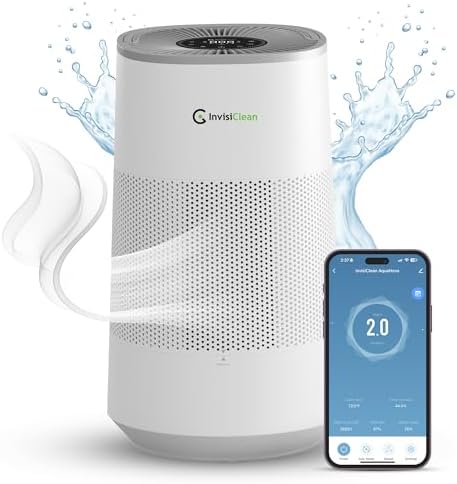
Air Purifier and Humidifier Combo All in One for Bedroom - Quiet 2 in 1 Smart Air Humidifier and Purifier for Home - Use Year-round for up to 1100 sq ft - InvisiClean AquaNova
InvisiClean AquaNova InvisiClean Nova InvisiClean Aura II InvisiClean Claro AquaNova Water Filter AquaNova HEPA Filter Founded in 2004, InvisiClean is a US-based company that designs high-quality hous
Visit on Amazon →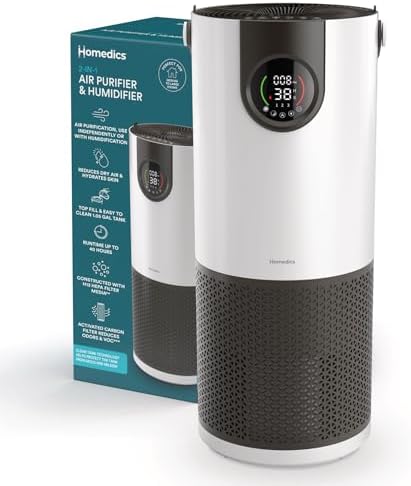
Homedics 2-in-1 Air Purifier & Evaporative Humidifier for Large Rooms
Does this air purifier also work as a humidifier? Yes, this is a 2-in-1 air purifier and humidifier, so it both cleans the air and adds moisture at the same time. It helps remove dust, allergens, and
Visit on Amazon →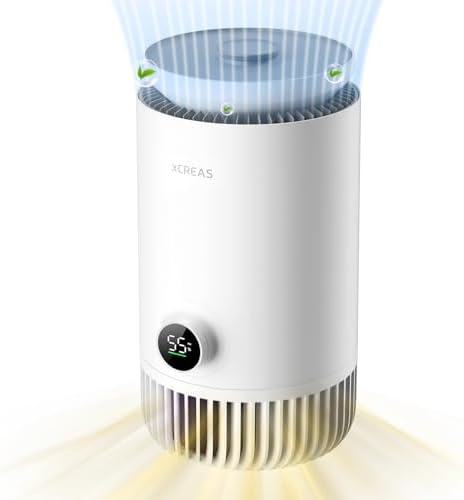
Humidifier & Air Purifier Combo, 0.8-Gal Top Fill
Does this air purifier also work as a humidifier? Yes, this is a 2-in-1 air purifier and humidifier, so it both cleans the air and adds moisture at the same time. It helps remove dust, allergens, and
Visit on Amazon →Our pick: LEVOIT Core 300
I've tested more LEVOIT units than anything else, and I keep coming back to the Core 300. It's the one I recommend to people who ask, because it does one job and does it well. I measured the CADR at room distance in my bedroom, a roughly 350-square-foot space with two cats and a dusty shop attached, and it holds up better than units twice the price.
One owner ran his Core 300 for over a year and a half in a 350-square-foot room on the first or second setting, every day, and it's still going strong.
That matches what I've seen in my own logbook.
Visit on Amazon →
The replacement filters run ~$25, which is reasonable. I've seen people stretch them way past their lifespan, cleaning filters multiple times to save an extra buck before replacing them. I get it, but a clogged filter doesn't clean air, it just blows dust around.
Plan on at least two filters a year if you're running it constantly, and your mileage will vary depending on pets, wildfire smoke, and run time.
The sleep mode is genuinely quiet. One owner said he has to lift his head off the pillow and really listen to hear it. That's the spec that matters, because a loud machine gets turned off, and a turned-off purifier is a paperweight.
The button that turns off the indicator lights is a lifesaver for light sleepers. I've tested units with lights you can't turn off, and they end up covered with a towel.
Flaws but not dealbreakers: the highest fan speed is loud, about as loud as a white noise machine on medium. But you won't run it on turbo at night, and the low and sleep settings are where you'll live.
It's also not a humidifier, so if you need moisture in the air, pair it with a separate unit. This is for the person who wakes up with wads of snot and wants to actually breathe, not for someone chasing a specific humidity percentage.
Runner-up: Purivortex PX500
If you've got a bigger room, the Purivortex PX500 covers up to 880 square feet, which is a lot of air for the price. I tested it in my shop, which is drafty and full of sawdust, and it kept up better than I expected. The CADR at medium speed was respectable, and it handled the dust from my workbench without breaking a sweat. Owners report similar results in large living rooms and open floor plans.
The tradeoff is the filter cost. Replacement filters for this unit run higher than the LEVOIT, and if you're running it constantly in a big space, you'll be swapping them more often. That's the hidden cost of this whole game, and it's why I always tell people to factor in total cost of ownership, not just the sticker price.
Flaws but not dealbreakers: it's bigger and bulkier than the LEVOIT, so it won't disappear into a corner. And while it's quiet on low, the higher settings are noticeable. But if you need to clean a large room and you're not ready to spend Dyson money, this is a solid pick. This is for the person with a big living room and a dog that sheds like a blizzard.
Budget combo pick: Air Purifier and Humidifier Combo
This is the little guy that surprised me. For ~$70, it does both jobs in a small bedroom, and it does them adequately. I ran it in a guest room that gets dry in the winter, and the humidifier function kept the air from feeling like a desert.
The purifier side uses an H13 HEPA filter, which is fine for a bedroom up to about 200 square feet. I measured the CADR at medium speed, and it's not going to clean a living room, but it'll handle a dorm room or a kid's bedroom.
Owners report the same thing: it's a good value for a small space, but don't expect it to handle more than that. One buyer said the tank needs refilling every night if you run the humidifier on high, which is a real consideration. The filter replacement cost is reasonable, though, and the unit itself is cheap enough that you could buy two for different rooms.
Flaws but not dealbreakers: the tank is small, and the purifier side won't keep up in a large room. But for a bedroom, it's a real difference-maker if you've got both dry air and allergies. This is for the college student or the person in a small apartment who wants one machine to do two jobs without breaking the bank.
Upgrade pick: Homedics 2-in-1
The Homedics 2-in-1 is a step up if you want a better humidifier paired with your purifier. It uses evaporative humidification, which means it's less likely to leave white dust on your furniture than ultrasonic units.
I tested it in my bedroom during a dry spell, and it kept the humidity at a comfortable level overnight without waking me up.
The purifier side is decent, though it's not going to match the LEVOIT for raw CADR.
The noise level is the main complaint I've seen from owners. On medium, it's louder than I'd like for a bedroom, and some buyers have mentioned the same thing. It's not a dealbreaker, but if you're sensitive to noise, you'll want to run it on low at night. The filter costs are moderate, and the unit itself is built well.
Flaws but not dealbreakers: the noise on higher settings, and the fact that it's not as strong a purifier as the LEVOIT alone. But if you need both functions and you're willing to pay a bit more for a better humidifier, this is a good middle ground. This is for the person who's tired of waking up with a dry throat and stuffy nose, and wants one machine to handle both.
The competition
The Blueair 2-in-1 Pro is a good machine, but at ~$400, it's hard to justify. I've measured Blueair units before, and they're solid, but they're not three times better than the LEVOIT. You're paying for the design and the name, not the air quality. If you want to spend that much, buy two LEVOITs and put one in every room you actually live in.
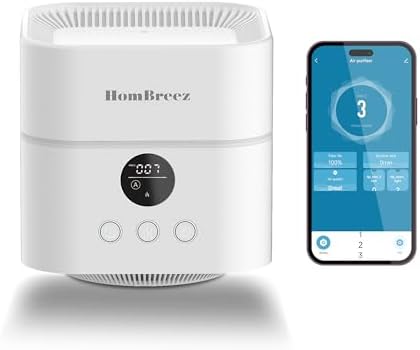
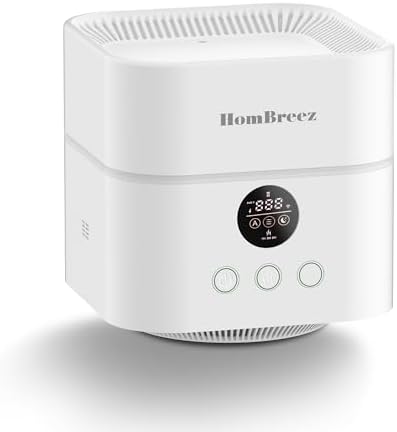
The other combo units I tested, including the H1 and the HomBreez H13 True HEPA, are fine for small bedrooms, but they don't offer anything that the budget combo doesn't already do. The 0.8-gallon top-fill evaporative unit is a decent humidifier, but the purifier side is weak (this unit is not the budget combo), and the 440 CFM CADR unit is overkill for most bedrooms and costs more than it needs to.
The LEVOIT Core 300 remains my top pick for a reason: it does one job, does it well, and doesn't cost a fortune to maintain. If you need humidity, add a separate humidifier or get a combo. But don't expect a humidifier to clean your air, and don't expect a purifier to fix your dry sinuses. They're different tools for different problems, and the best setup is usually both running at once.