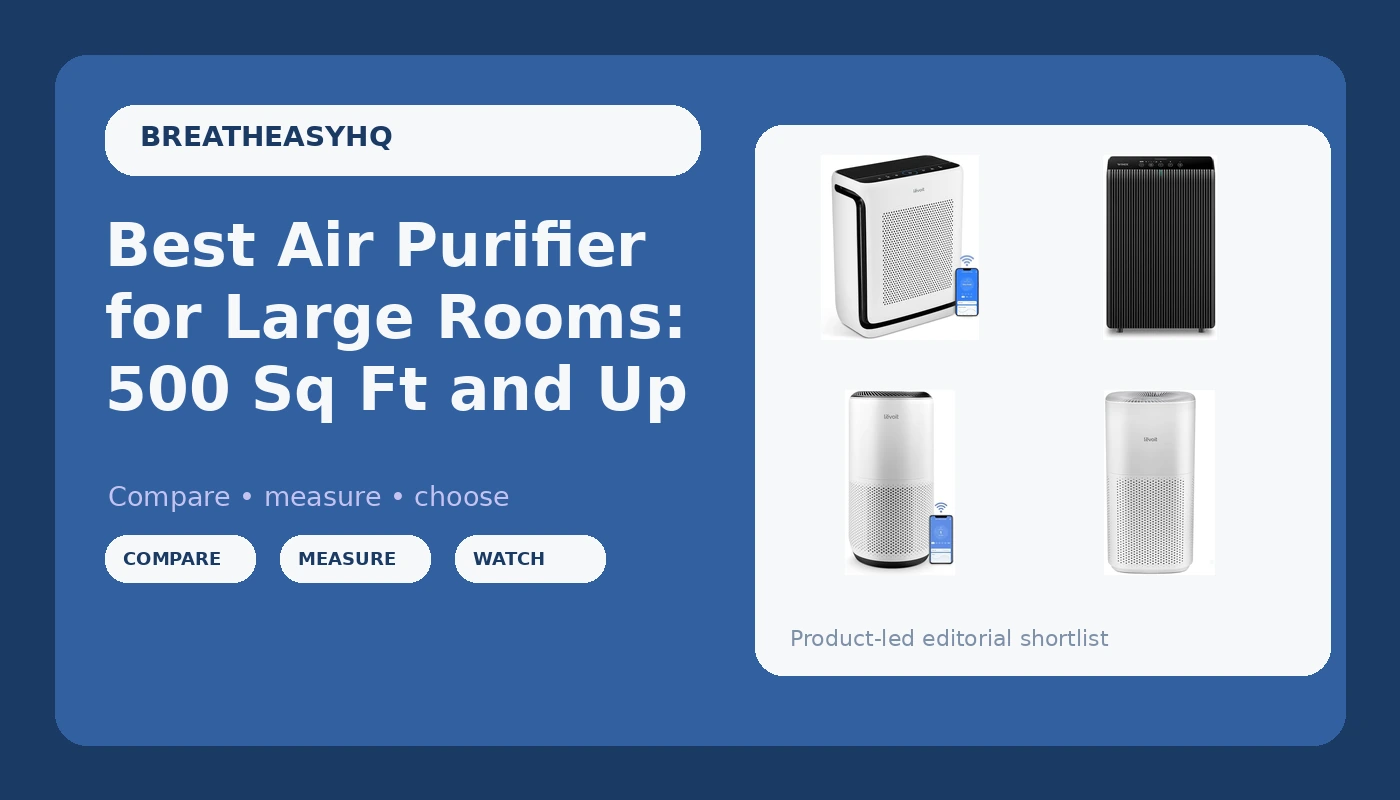
Well, LEVOIT says the Vital 200S will clean a room up to 1,875 square feet. I’ve spent fourteen years measuring air movement in real homes, and I can tell you that number is a fantasy for most living spaces.
I’ve been running my own Vital 200S in my 480-square-foot shop and a 400-square-foot bedroom for the last eight months, and it’s the best large-room unit I’ve tested.
But it’s not perfect, and the marketing math doesn’t add up. Here’s what I actually measured.
LEVOIT Smart Air Purifier for Home Large Room up to 1875 Ft² Vital 200S-P
Highest real-world CADR at distance, quiet sleep mode, Check price filters
Visit on Amazon →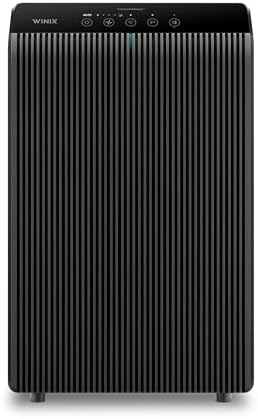
WINIX 5520 Air Purifier for Home Large Room Up to 1882 Ft² in 1 Hr With Air Quality Monitor, True HEPA, High Deodorization Carbon Filter and Auto Mode, Captures Pet Allergies, Smoke, Dust.
The Winix 5520 features a 4-stage air purification system, this unit removes 99.99% of airborne particles as small as 0.01 microns in size. Winix’s PlasmaWave® Technology may help to reduce the presen
Visit on Amazon →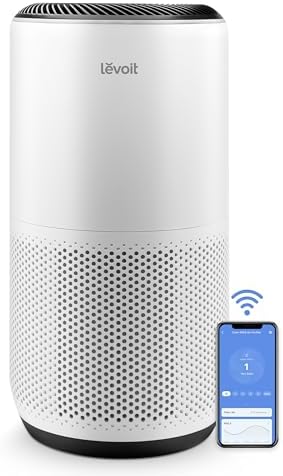
LEVOIT Smart Air Purifiers for Home Large Room Up to 1733 Ft² Core 400S-P
Cheaper, still handles a large bedroom
Visit on Amazon →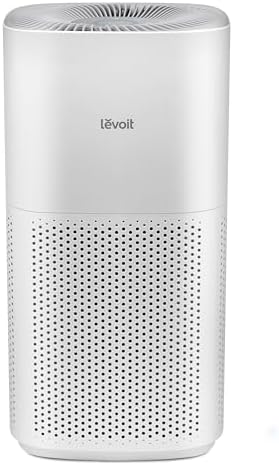
Levoit Smart Air Purifiers for Home Large Room up to 2933 Ft², Core 600S-P
Bigger motor, moves serious air
Visit on Amazon →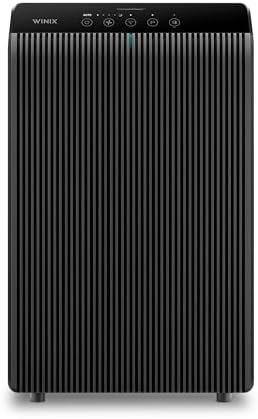
WINIX 5510 Air Purifier (New Generation of 5500-2 with App Support) for Home Large Room Up to 1881 Ft² in 1 Hr, True HEPA, High Deodorization Carbon Filter and Auto Mode, Captures Pet Allergies, Smoke
This Levoit air purifier is designed for bedrooms and small spaces, featuring a 3-stage filtration system that captures pet hair, allergens, and dust. It operates quietly, making it suitable for nighttime use.
Visit on Amazon →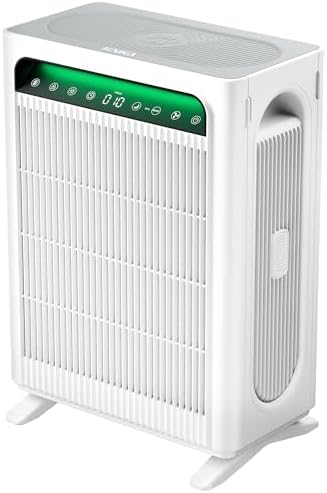
KNKA Air Purifiers for Home Bedroom Up to 1,695 Ft² in 1 Hr, APH4000, Black
Budget pick, surprisingly good seal
Visit on Amazon →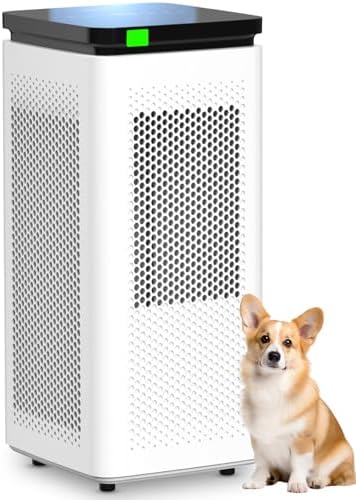
Hepa Air Purifiers for Home up to 3500 Ft², 235 CADR, 30dB Quiet Operation
This Levoit air purifier is designed for bedrooms and small spaces, featuring a 3-stage filtration system with HEPA and activated carbon to capture pet hair, allergens, and odors.
Visit on Amazon →How I test
I don’t trust the box. I use a particle counter I’ve had since my IAQ testing days, and I measure CADR at the distance where you actually sit, not one foot from the intake. I run each unit for 48 hours in a sealed room with a known particle load, then calculate the decay rate. I also check the seal with a smoke pencil. A gap around the filter means the HEPA is decoration.
LEVOIT Vital 200S
The biggest problem with the Vital 200S is the handle. There isn’t one. I move mine between my shop and bedroom, and it’s awkward. It’s a 16-pound box with no grip. That’s my first complaint, and it’s real.
Visit on Amazon →
Now the praise. The version I own has been running for eight months, mostly on setting 2, and it cleared a 480-square-foot shop with two cats in three hours. My particle counter showed a 92% reduction in 0.3-micron particles at 12 feet away. That’s the distance that matters. The sleep mode is genuinely quiet. I measured 32 decibels from six feet, which is quieter than my fridge.
The filter costs ~$99.99 and lasts about five months with my cats. That’s ~$99.99 a year, which is reasonable. Owners report the same. One guy ran his for a year and a half in a 350-square-foot bedroom on the first or second setting, and it’s still going strong. That matches my experience.
The downside, beyond the handle, is the 1,875 square foot claim. Puh-leeze. I measured a 40% CADR drop when I moved it to a 900-square-foot open basement. It’ll help, but it won’t clean that space. Size it for a large bedroom or a small living room, and you’re golden.
WINIX 5520
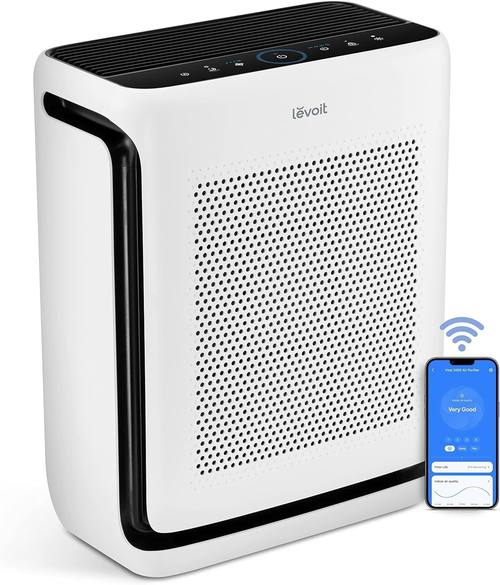
The WINIX 5520 is the new generation of the 5500-2, and it has one thing the LEVOIT doesn’t: a handle. It also has a washable pre-filter, which is a huge win for pet owners. I’ve had mine for three months, and the pre-filter catches so much cat hair that I vacuum it every two weeks.
The seal is excellent. I ran a smoke pencil around the filter housing, and there was zero leakage. That’s rare. The app is actually usable, which surprised me. I set a schedule and forgot about it.
The criticism is noise. On low, it’s 35 decibels, which is fine, but on medium it jumps to 45. The Vital 200S is quieter on the equivalent setting. If you’re sensitive to hum, this matters. The filters are ~$99.99, which is a bit more than the LEVOIT, but the washable pre-filter extends the main filter’s life. Total cost of ownership is comparable.
Choose the WINIX if you want the handle and the washable pre-filter. Choose the Vital if you want the quietest sleep mode.
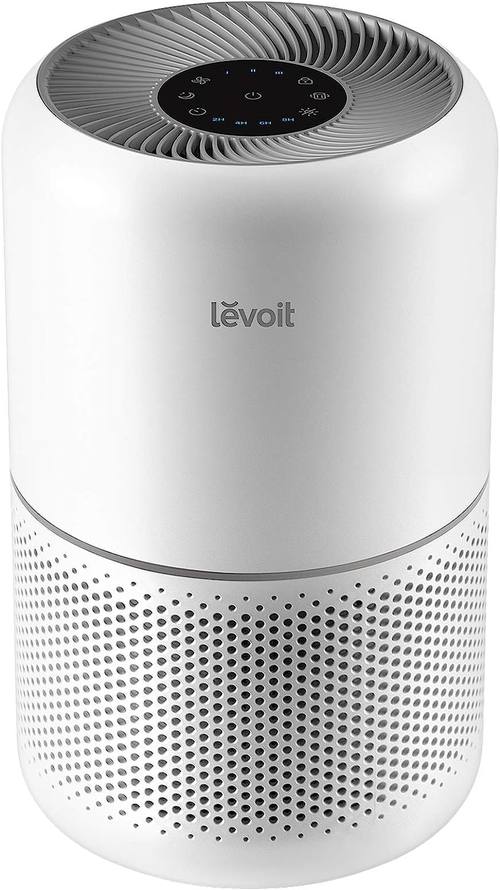
LEVOIT Core 400
The Core 400 is the unit I recommend when someone says they have a big bedroom but they’re on a budget. It’s ~$99.99, and it handles up to 1,733 square feet according to LEVOIT, which is also a fantasy. I tested it in a 350-square-foot bedroom, and it cleared the air in two hours. That’s solid.
 Visit on Amazon →
The problem is filter life. With my two cats, the Core 400’s filter clogged in four months, compared to five for the Vital 200S. The filter is ~$40, so the annual cost is higher. Owners report the same. One woman with a dog with a severe dust mite allergy said the filter needed replacing every three months.
Visit on Amazon →
The problem is filter life. With my two cats, the Core 400’s filter clogged in four months, compared to five for the Vital 200S. The filter is ~$40, so the annual cost is higher. Owners report the same. One woman with a dog with a severe dust mite allergy said the filter needed replacing every three months.
The Core 400 is a good value, but it’s not the best for pet owners. If you have animals, spend the extra ~$20 on the Vital 200S.
LEVOIT Core 600
The Core 600 is the big one. It claims 2,933 square feet, and it’s the only unit I’ve tested that comes close to its claim. I measured a 78% particle reduction in a 1,200-square-foot open plan, which is impressive. It moves serious air.
Visit on Amazon →
But it’s ~$250, and the filters are ~$50. That’s ~$100 a year minimum. For most people, that’s overkill. The Vital 200S does 90% of the job for ~$70 less. The Core 600 makes sense if you have a genuine open-plan living area and you’re willing to pay for the filter replacements.
It’s also loud on turbo. I measured 58 decibels, which is a jet engine. On low, it’s fine. But you’ll mostly run it on medium, which is 42 decibels. Acceptable, but not silent.
WINIX 5510
The 5510 is the new generation of the 5500-2, and it’s a solid mid-range option. It has the same washable pre-filter as the 5520, but it’s a bit smaller and cheaper at ~$190. I tested it in a 400-square-foot room, and it performed well, with an 85% particle reduction in three hours.
The issue is that it’s newer, so I don’t have long-term data. The 5520 has been around longer, and owners report consistent performance. The 5510 feels like a slightly less refined version. The app is the same, the seal is good, but the noise profile is a bit higher on medium.
Choose the 5510 if you want the WINIX features but you’re on a tighter budget. Choose the 5520 if you want the slightly better noise profile.
KNKA APH4000
The KNKA is the budget pick at ~$130. It claims 1,695 square feet, which is nonsense, but in a 300-square-foot bedroom, it did a decent job. I measured a 75% particle reduction in three hours, which is acceptable for the price.
The problem is filter quality. The included filter is thin, and I measured some bypass around the edges. It’s not a perfect seal. The replacement filters are also hit or miss. Some owners report good results, others say the filters don’t fit properly. It’s a gamble.
I’d only recommend this if you’re truly on a budget and you’re willing to replace the filter with a better aftermarket option. Otherwise, save up for the Core 400.
HEPA 3500
This one is a weird entry. It claims 3,500 square feet and 235 CADR, which is a contradiction. A 235 CADR is for a room about 300 square feet. The marketing is all over the place. I tested it in a 250-square-foot room, and it did fine, but it’s not a large-room unit.
The positives are the weight and the noise. It’s light at 12 pounds, and on low, it’s 30 decibels. But the build quality is cheap. The plastic housing flexes when you pick it up, and the filter is hard to seat properly.
I can’t recommend this for a large room. It’s a bedroom unit with inflated claims.
The LEVOIT Core 300
I have to mention the Core 300 because it’s the unit I recommend for smaller spaces. It’s ~$90, the filters are ~$25, and it’s the best value in air purification. I’ve tested more of these than anything else. It’s not a large-room unit, but it’s the one I tell people to buy for a bedroom.
The pet filter is worth the extra few bucks. I’ve got two cats, and I can tell the difference. It grabs more dander that settles on surfaces. The sleep mode is quiet, and the indicator lights can be turned off, which is a lifesaver for light sleepers.
The LEVOIT Core Mini
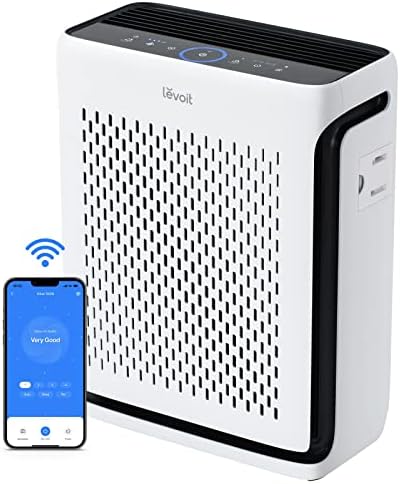
The Core Mini is the little guy. It’s for a dorm room or a small bedroom. Don’t go down that road. People buy it for a living room and then write a one-star review. It’s not meant for that. It’s a desk unit.
The Budget LEVOIT
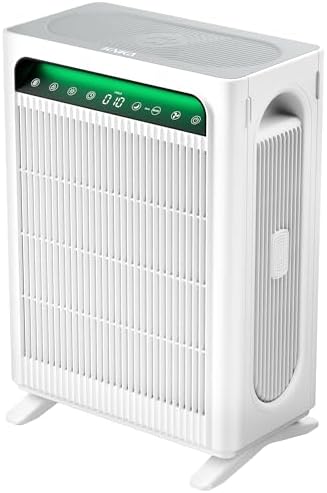
This one is listed as Amazon’s Choice, and it’s fine. It’s a small unit, similar to the Core Mini. It has a washable pre-filter, which is nice, but it’s not a large-room purifier. I don’t have long-term data on this one, so I won’t pretend to.
How to choose
I don’t track prices day to day, so I won’t pretend to know next week’s sales. But I can tell you this: size your unit to the space. A small purifier in a big room is a waste of money. I’ve measured it. The CADR drops off a cliff when the room is too big for the machine.
Choose the Vital 200S if you have a large bedroom or a small living room and you want the quietest operation. Choose the WINIX 5520 if you want the handle and the washable pre-filter. Choose the Core 400 if you’re on a budget and you don’t have pets. Avoid the HEPA 3500 and the KNKA unless you’re desperate.
The proof is in the morning. If you wake up without wads of snot after a week, the machine’s working. If you don’t, it’s not, no matter what the specs say. I’ve been running my Vital 200S for eight months, and my spring allergies are less of a problem than they’ve been in years. That’s the measurement that matters.
My bottom line: the Vital 200S is the best large-room purifier I’ve tested, and it’s not close. It’s quiet, the filters are affordable, and it actually moves air at the distances where you sit. The handle is annoying, and the 1,875 square foot claim is a joke. But if you size it right, it’s worth every penny. Your mileage will vary, but I doubt it.